
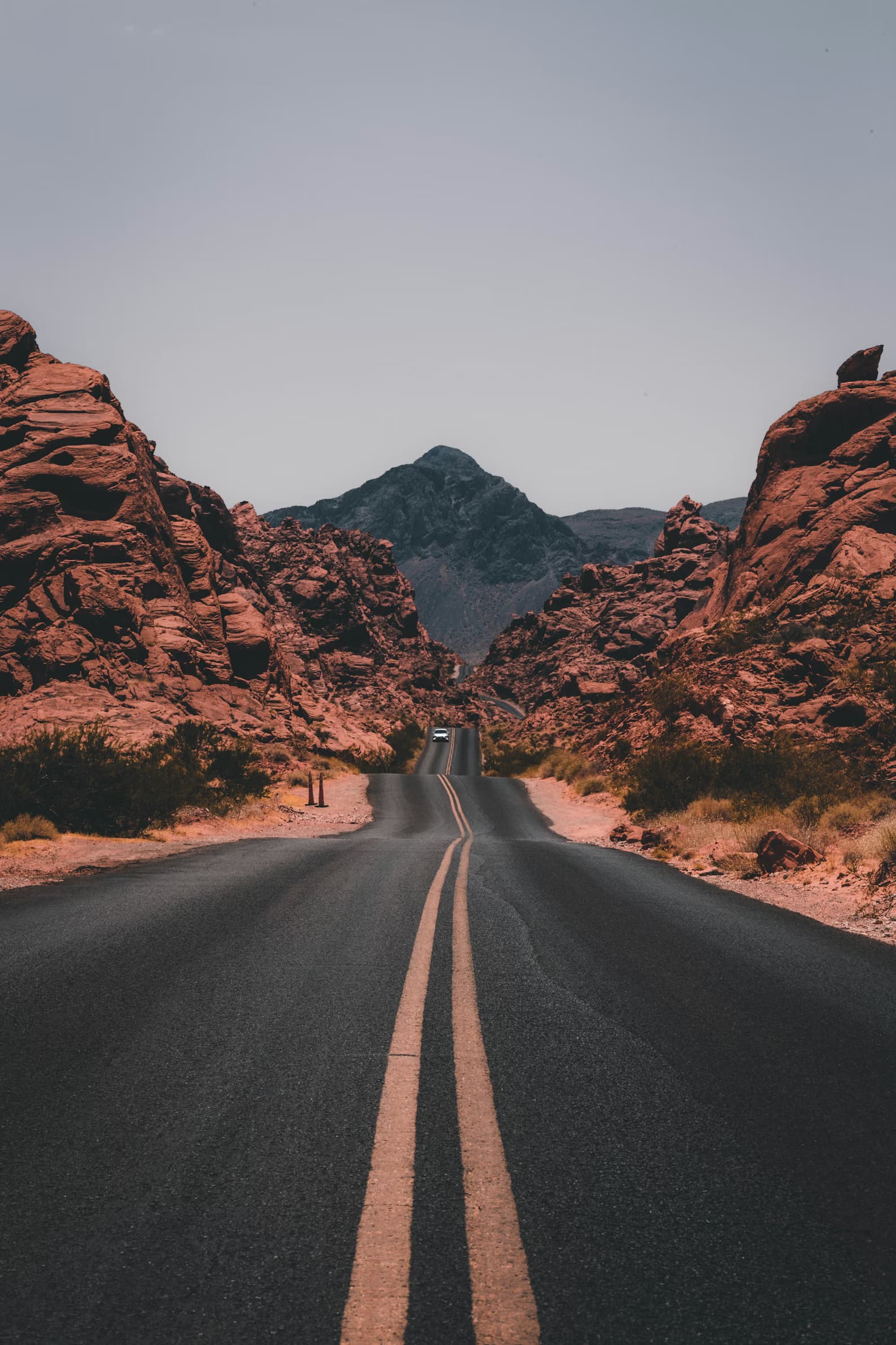
There is nothing quite like watching your dog lose their mind at the sight of a luggage bag. Gracie starts doing laps around the living room before we've even unzipped the suitcase. But three years and 15,000 road trip miles later, I've learned that her excitement and my preparation are two very different things.
Here's the checklist that now lives permanently on my phone.
Before You Leave Home
Vet Prep (Do This 2 Weeks Out)
- Health certificate if you're crossing state lines or flying post-trip
- Vaccination records — some campgrounds and dog-friendly hotels require proof of rabies
- 30-day supply of any medications, including flea/tick/heartworm prevention
- Ask about motion sickness — Gracie gets queasy on winding roads; our vet prescribed a mild medication that changed everything
- Microchip check — confirm your contact info is current in the national database
ID & Safety
- New ID tag with your cell number, not the home landline
- A backup collar — in case the primary gets waterlogged or breaks
- Current photo of your dog on your phone for "lost dog" flyers (hopefully you never need it)
- Know the locations of emergency vet clinics along your route — map them before you go
The Car Setup
Getting the car right makes a 10-hour drive actually enjoyable instead of just survivable.
Safety First
- Crash-tested harness connected to the seat belt — we use the Sleepypod Clickit Sport
- Cargo barrier or divider if your dog rides in the back of an SUV or wagon
- Car seat cover — full hammock style if your dog rides in the back seat
- Crate as an alternative to harness; must be secured so it can't slide
Comfort
- Their bed or familiar blanket (smell = comfort)
- Sunshade for rear windows — important for dark-coated dogs in summer
- Travel water bowl that mounts to the headrest or sits in a cup holder
- Chews or lick mats for when you're on the highway and can't stop
Packing the Dog Bag
I keep a dedicated backpack just for Gracie. It comes out for every trip and gets restocked after every trip.
Food & Water
- Enough food for the trip + 3 emergency days in a sealed, airtight container
- Travel water bottle (the ones with the integrated fold-out bowl are excellent)
- Collapsible bowls — one for food, one for water
- Their usual treats — new treats in unfamiliar environments can cause stomach upset
- A gallon of home tap water for the first few days if your dog has a sensitive stomach
The Bag Itself
| Item | Why It Matters | |---|---| | Poop bags (×50 minimum) | Always more than you think | | Enzyme cleaner spray | Car accidents happen | | Baby wipes / dog wipes | Trail mud, puddles, everything | | Grooming brush | Happy dog = relaxed dog | | Old towel (×2) | One is never enough | | First aid kit | Burns, cuts, paw injuries |
The First Aid Kit
You can buy pre-made pet first aid kits, but here's what I actually use:
- Saline wound wash
- Gauze pads and self-adhesive bandage wrap
- Blunt-tipped scissors
- Digital thermometer (normal dog temp: 101–102.5°F)
- Tweezers for ticks and splinters
- Styptic powder (stops nail bleeding)
- Benadryl dosage chart — ask your vet for the right dose for your dog's weight
- Your vet's number + an emergency vet number along your route
On the Road: Stop Strategies
The 2-Hour Rule
We stop every 2 hours minimum. Even if Gracie seems fine, she gets out, stretches, has water, and does her business. A tired, uncomfortable dog becomes an anxious or destructive dog.
What makes a good rest stop:
- Shaded area so she can cool down
- Grassy patch (not just concrete)
- Enough space for a short walk
- Away from traffic
Feeding on the Road
Don't feed your dog right before driving — especially on twisty mountain roads. We feed Gracie at least 30 minutes after stopping, not 30 minutes before driving.
What NOT to Pack
Here's what I've learned to leave at home:
- Retractable leashes at campsites — they tangle around everything and give you no control
- Fancy dog clothes for photos — stresses them out; skip it
- Too many toys — two favorites is plenty; more creates chaos in the car
- Rawhide chews while driving — choking hazard with no one watching
The Night Before Departure
- Load the car with your dog watching — it genuinely helps their anxiety
- Do a final vet record check — is everything in the travel folder?
- Test the harness and seat belt attachment before you're on the highway
- Confirm hotel/campsite pet policies one more time (policies change)
- Set your alarm 30 minutes earlier — bathroom break, feeding, and loading takes longer than you expect
Road trips with dogs are chaotic, spontaneous, and the best thing I've ever done. Gracie has now seen the Pacific, the Rockies, and the Gulf Coast. She's hiked in three national parks and eaten at more dog-friendly breweries than I can count.
The preparation is worth it. Every. Single. Time.
Happy trails — from Gracie and me. 🐾
Filed under:
Related Adventures
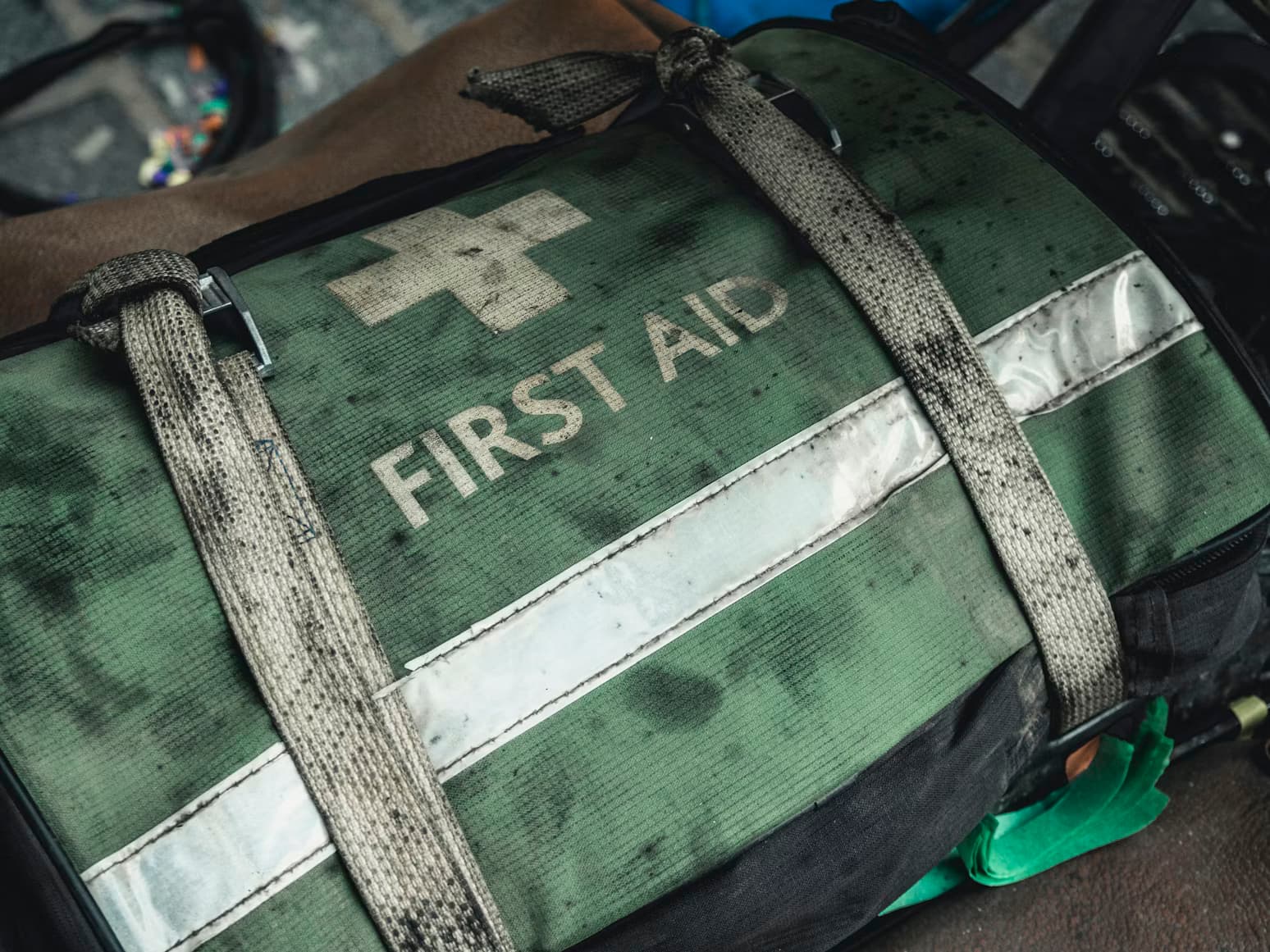
The One Piece of Gear I Hope I Never Use on a Hike
February 23, 2026 · 5 min read
The Alaska Highway journey with your dog: Mile 0 to the Last Frontier
July 20, 2025 · 5 min read
Flying with Your Dog for the First Time: What Nobody Tells You
December 8, 2024 · 7 min read